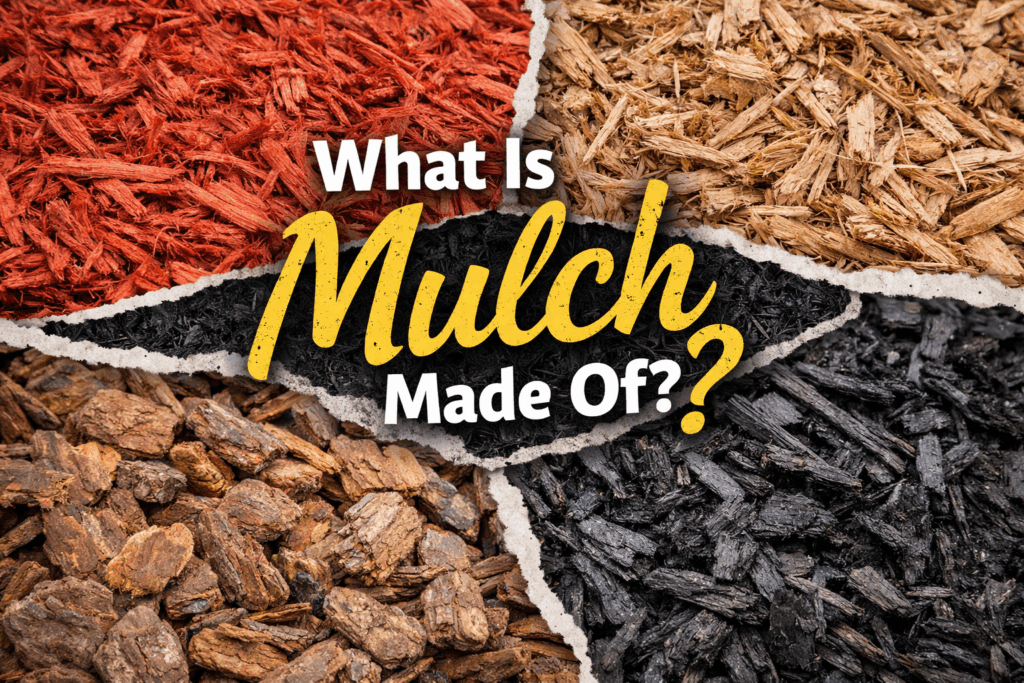
What Is Mulch Made Of? A Gardener’s Guide to Natural Materials
Gardeners like us depend on mulch, a mix of organic materials, to create beautiful and healthy landscapes. Tree bark, wood chips, pine straw, and grass clippings serve as natural coverings in our gardens . Our team processes thousands of tons of debris each year, and we’ve witnessed these materials become valuable garden resources .
Mulch acts as a protective layer over soil . Two main types exist: organic and inorganic . Natural plant-based materials make up organic mulches that break down over time. Inorganic mulches use lasting but pricier inert materials . As I wrote in this piece, you’ll learn about natural mulch materials, the manufacturing process, its benefits, and ways to select the perfect type for your garden’s needs. Homeowners who want a low-maintenance lawn may get an artificial grass installation.
What is Mulch and Why Do Gardeners Use It?
A gardener’s success often comes down to what lies under a protective layer. Mulch acts as a vital barrier between soil and the elements. It changes how our gardens perform through different seasons.
Definition of mulch
Mulch is any material that covers the soil surface. Unlike soil amendments that mix into the ground, mulch stays on top and creates a distinct layer to protect everything underneath. You can think of mulch as your garden’s blanket – it doesn’t just sit there but works to change the environment around your plants.
Nature came up with this idea long before we did. In forests and meadows, fallen leaves, pine needles, and decomposing plant matter create natural mulch layers. When we mulch our gardens, we copy this natural process by choosing specific materials and applying them with purpose.
What is mulch used for in gardens?
A landscaping company will use mulch for many reasons beyond making things look nice, though a well-mulched garden looks more polished and vibrant. The main goal is to create a protective barrier around plants and over bare soil.
Managing moisture is one of mulch’s biggest benefits. A good mulch layer cuts down on evaporation by a lot, which helps soil hold onto water better. Your garden needs less frequent watering, handles drought better, and costs less to maintain. Mulch also stops soil from forming a hard crust, so water soaks in instead of running off [2].
Keeping weeds away is another big plus. Mulch blocks sunlight from reaching the soil surface, which stops many weed seeds from sprouting. This means you’ll spend less time pulling weeds.
Mulch really shows its value in extreme weather. It protects soil from summer heat and winter cold, which shields important feeder roots growing just below the surface. Early in the growing season, it holds onto heat that would escape at night. This lets you plant earlier and see faster growth [1].
Mulch also:
Stops soil from washing away.
Prevents soil from getting packed down during heavy rains.
Keeps soil diseases from splashing onto plant leaves.
Makes soil healthier over time (organic mulches).
Shields tree trunks from damage by lawn equipment.
Organic vs inorganic mulch
Mulch comes in two main types: organic and inorganic. Each type has its own strengths and works best in different situations.
Organic mulches come from things that were once alive. Wood chips, shredded bark, grass clippings, leaves, straw, pine needles, compost, and even newspaper fall into this category. These materials break down over time.
This breakdown brings special benefits. Organic mulches make soil better by attracting helpful creatures like earthworms that loosen packed soil. As they decompose, they release nutrients – potassium, nitrogen, phosphorus, and trace elements – which improve soil fertility.
The downside? You need to add new organic mulch now and then because it breaks down. But this “drawback” is actually good for your garden since each new layer adds more organic matter to the soil.
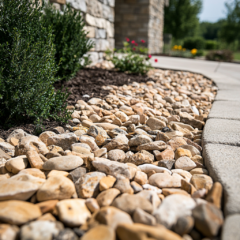
Inorganic mulches are materials that were never alive or take forever to break down. These include rocks, gravel, landscape fabric, plastic sheeting, and rubber. Their big advantage is that they last a long time – often 10-20 years before needing replacement.
While inorganic mulches don’t make soil more fertile like organic ones do, they excel at specific jobs. Gravel and river stone work great around plants that like extra heat and good drainage. They also look nice in areas with few plants.
Organic mulches are the best choice for most garden situations if you want healthy soil and plants. Sometimes though, your specific landscape needs might make inorganic options more practical.
Common Natural Materials Used in Mulch
Natural materials are the main ingredients in organic mulches. Each type brings its own benefits to different garden areas. Learning about these options helps you pick the perfect mulch for your landscape.
Wood chips and bark
Wood chips are one of the most versatile mulching materials accessible to more people. Arborist wood chips have a mix of bark, wood, and sometimes leaves. They work great for keeping moisture in, controlling temperature, and stopping weeds. This diverse mix creates a perfect home for helpful microbes and insects.
Bark mulch comes in several forms like nuggets and shredded varieties. These come from the outer bark of trees like pine, fir, cedar, and redwood. Bark nuggets drain well and break down slowly. This makes them perfect for trees and shrubs over the long term.
Shredded wood mulch looks great in well-maintained landscapes with its fine texture. This mulch is usually an inch or smaller and creates an even cover that blocks weeds effectively. Uncolored hardwood chips are the most sustainable choice for natural-looking gardens. You can often get these free from local arborist.
Leaves and grass clippings
Your yard waste is actually “true gold” for gardening. Shredded or composted fallen leaves work great in vegetable gardens, annual flower beds, and around trees. Many people think oak leaves make soil acidic. But once they break down, their effect on soil pH is minimal.
Grass clippings are another free mulch source. They work best when you spread dry clippings in thin layers (1-2 inches at most). This prevents matting that could block oxygen from reaching the soil. Just make sure not to use clippings from lawns treated with herbicides recently. The leftover chemicals might damage your garden plants.
Straw and hay
People often mix up straw and hay, but they serve different purposes. Straw is made of hollow stalks left after grain harvest. Hay has various grasses and often includes alfalfa.
Straw makes better mulch because it usually has fewer weed seeds. It works especially well in vegetable gardens and strawberry beds when laid 6-8 inches thick. Its light, airy structure lets water through while keeping soil temperature steady.
A straw bale costs about $7 and covers lots of garden space. Beyond saving water and stopping weeds, straw prevents problems like blossom-end rot in tomatoes. It also helps pumpkins and melons grow better by giving them a clean surface.
Compost and manure
Gardeners call quality compost “black gold” and with good reason too. This dark organic matter adds key nutrients like nitrogen, phosphorous, potassium, manganese, copper, iron, and zinc. Compost does more than feed plants – it balances soil pH and helps soil hold nutrients better.
While most people use compost to improve soil, it works great as a 2-inch mulch layer. Spring is the best time to apply it, just before the growing season starts. As compost breaks down, it creates the perfect environment for beneficial soil microorganisms that boost plant health.
Pine needles and cocoa shells
Pine needles (or pine straw) are excellent mulch, especially around acid-loving plants. They’re light and fluffy, letting water through easily while staying put on slopes. Despite what many think, decomposing pine needles don’t make soil much more acidic.
Cocoa hulls, which come from making chocolate, are an attractive mulching option that smells great. But if you have pets, be careful. These hulls contain theobromine and caffeine that can harm dogs.
Ready to get mulch in Cobb County? Now that you know what mulch does and how it helps your landscape, it’s time to pick the right type for your yard. PineStraw King delivers high-quality mulch throughout Cobb County and nearby areas. We don’t just drop off your mulch – we also install it professionally for everything we sell.
How Is Mulch Made?
The process of turning raw organic materials into finished mulch is quite fascinating. You might wonder how those piles of tree debris become the beautiful mulch in your garden. Let’s take a closer look at this amazing transformation.
Collection of raw materials
The mulch-making process starts when facilities gather raw materials like tree bark, branches, sawdust, and recycled wood waste. Commercial facilities team up with tree removal companies and recycling centers to save wood debris from landfills. Places like Gaston’s Tree Debris Recycling collect hundreds of thousands of tons of debris each year from storms, land clearing, and residential tree trimming [8]. This smart approach gives materials a second chance and helps return nutrients to the soil instead of filling up landfills.
Grinding and shredding process
Raw materials go through powerful machines like horizontal grinders or industrial wood chippers that turn them into smaller, uniform pieces. These advanced grinders work with various materials including pallets, brush, stumps, and wood waste. Rotors with teeth, hammers, or cutting inserts break down logs and branches. An infeed system controls the feed rate to match the machine’s power, which creates consistent output perfect for mulch production.
Screening and sizing
The shredded material moves through screening equipment that sorts particles by size. Trommel screens do this job well, and different screen sizes determine the final texture. Gardens need fine mulch from smaller screens, while larger screens create chips for compost or biomass uses. This screening creates “fines” (pieces 1″ or smaller) for finished mulch, and larger pieces might need another round of processing.
Coloring and finishing
Most mulch products get colored to boost their visual appeal. Manufacturers use three types of colorants: powder, granular, and liquid – with liquid being the top choice [17]. Non-toxic, water-based dyes spray onto wood chips as they move along conveyors. Quality colorants need about 3-4 pounds per cubic yard in a trommel-style colorizer. PineStraw King’s hardwood mulch options for Cobb County landscapes come in popular colors like black, brown, and red.
Packaging and delivery
The final mulch either goes into retail bags or sells in bulk for landscaping projects. Bulk deliveries are economical solutions for larger areas. Our team delivers all mulch varieties throughout Cobb County and select surrounding areas. This includes colored hardwood, natural hardwood, cypress, and mini pine bark nuggets. Delivery costs range from $55-$70 based on location. We also offer professional installation for every type of mulch we sell.
Benefits of Using Natural Mulch
Natural mulch does more than make your garden look good. Science proves its benefits make it worth the investment.
Improves soil health and structure
Natural mulch works like a powerhouse for your soil’s health. It breaks down slowly and adds rich organic matter to the soil. This process creates better soil structure with spaces that help air and water flow. Your plants’ roots grow easier, and helpful creatures like earthworms naturally loosen packed soil. The breakdown releases key nutrients like potassium, magnesium, calcium and iron into the soil.
Retains moisture and reduces watering
Mulch shines when it comes to keeping moisture in the soil. Research shows the right mulch application cuts water loss by up to 58.8% . Your plants stay healthy with steady soil moisture, even in dry weather. You’ll need less water for your garden, which saves time and resources. Different mulch types can boost soil moisture levels from 4.6% to 22%, based on the kind you use and how thick you lay it.
Suppresses weeds naturally
Mulch creates a barrier that stops sunlight from reaching weed seeds, which keeps them from growing. You won’t need chemical weed killers or spend hours pulling weeds. Large areas work better when you put cardboard or newspaper under the mulch to fight stubborn weeds.
Protects roots from temperature extremes
Think of mulch as your soil’s blanket. It keeps soil cool in summer and protects it from freezing in winter. Your plants’ roots grow better and take in more nutrients when soil temperatures stay steady. Tests show mulched soil stays cooler and holds more water than bare soil.
Reduces erosion and runoff
Mulch really proves its worth by protecting your soil. Studies worldwide show it cuts water runoff by 47.4% and soil erosion by 76.2%. This matters most during heavy rains when your precious topsoil could wash away. Scientists say you should cover at least 60% of your soil with mulch to stop erosion.
These proven benefits should guide your mulch choice for your Cobb County landscape. PineStraw King has what you need – from colored hardwood to natural hardwood, cypress, and mini pine bark nuggets. Each option protects your soil while making your property look amazing.
How to Choose the Right Mulch for Your Garden
Picking the right mulch goes beyond looks—you need to match materials with your garden’s unique needs. Smart choices will give you maximum benefits and help you dodge common problems.
Match mulch type to plant needs
Your gardening goals should guide your mulch choice. Organic mulch like wood chips breaks down slowly to improve soil quality. Annual flower beds do better with materials that decompose quickly such as composted leaves or grass clippings—you can mix these into the soil each fall. Plants have their own preferences—pine needles work great for acid-loving plants, while plants that need more moisture thrive with finer textured mulches.
Think over climate and soil type
The local climate shapes your mulch decisions. Moisture retention becomes vital in Cobb County’s warm climate. Your soil type plays a big role too—lighter, aerating mulch helps heavy clay soils breathe, while moisture-retaining materials are ideal for sandy soils. A full soil assessment before mulching will give a better match between materials and your garden’s conditions.
Avoid harmful or treated materials
Stay away from mulch containing persistent herbicides that harm plants. Watch out for mulch with a strong alcohol smell instead of a mild, pleasant scent—this could mean toxic compounds from anaerobic fermentation. It also helps to avoid recycled wood from construction sites since it might contain harmful chemicals like Chromated Copper Arsenate.
Tips for applying mulch correctly
Most applications need 2-3 inches of mulch depth. Trees need special care—keep mulch at least six inches away from trunks to prevent “mulch volcanoes”. Clear all weeds and prep the area properly before spreading mulch. Good mulch application makes fabric underneath unnecessary—fabrics can actually harm beneficial soil processes .
Our Mulch Options:
Colored Hardwood Mulch (Brown, Black, Red): Made from recycled hardwood that’s ground and color-enhanced for vibrant curb appeal
Natural/Plain Hardwood Mulch: Ground hardwood without colorants, offering a more natural landscape option
Cypress Mulch: Naturally rot-resistant and insect-repellent with a distinctive lighter tone
Mini Pine Bark Nuggets: Slow-decomposing pine bark providing a textured, premium appearance
PineStraw King delivers throughout Cobb County ($55–$70 depending on location) and offers professional installation for all mulch types.
Conclusion
In this piece, we’ve taken a closer look at mulch and its amazing benefits for gardens and landscapes. Mulch does more than decorate – it makes soil healthier, keeps moisture in, fights weeds, shields roots from harsh temperatures, and stops soil erosion. You have plenty of choices: wood chips, leaves, grass clippings, straw, compost, or pine needles. Each natural mulch type brings its own advantages to different gardening situations.
Quality mulch comes from a careful process of collecting, grinding, screening, and sometimes coloring organic materials. This process turns potential waste into something valuable that helps plants thrive and makes landscapes look better. Your results will improve when you match the right mulch to your plants, climate, and soil type.
The best mulch choice depends on what you need. Pine needles work great with acid-loving plants, while shredded hardwood is perfect around trees and shrubs. Straw creates the best environment for vegetable gardens. Compost breaks down to give extra nutrients to your plants.
Here at PineStraw King, we know these differences matter. We give Cobb County residents several mulch options including colored hardwood, natural hardwood, cypress, and mini pine bark nuggets. Our delivery service covers all of Cobb County, with fees between $55–$70 based on location. We also offer professional installation for all mulch types if you’d rather not spread it yourself.
Choosing mulch might seem tough at first, but your garden will benefit from this decision. Good mulching means less maintenance and healthier, better-looking plants. Don’t just see mulch as decoration – it’s a smart investment in your garden’s health and future. Your plants, soil, and future self will thank you for this wise landscaping choice.